Stuttgart's front room
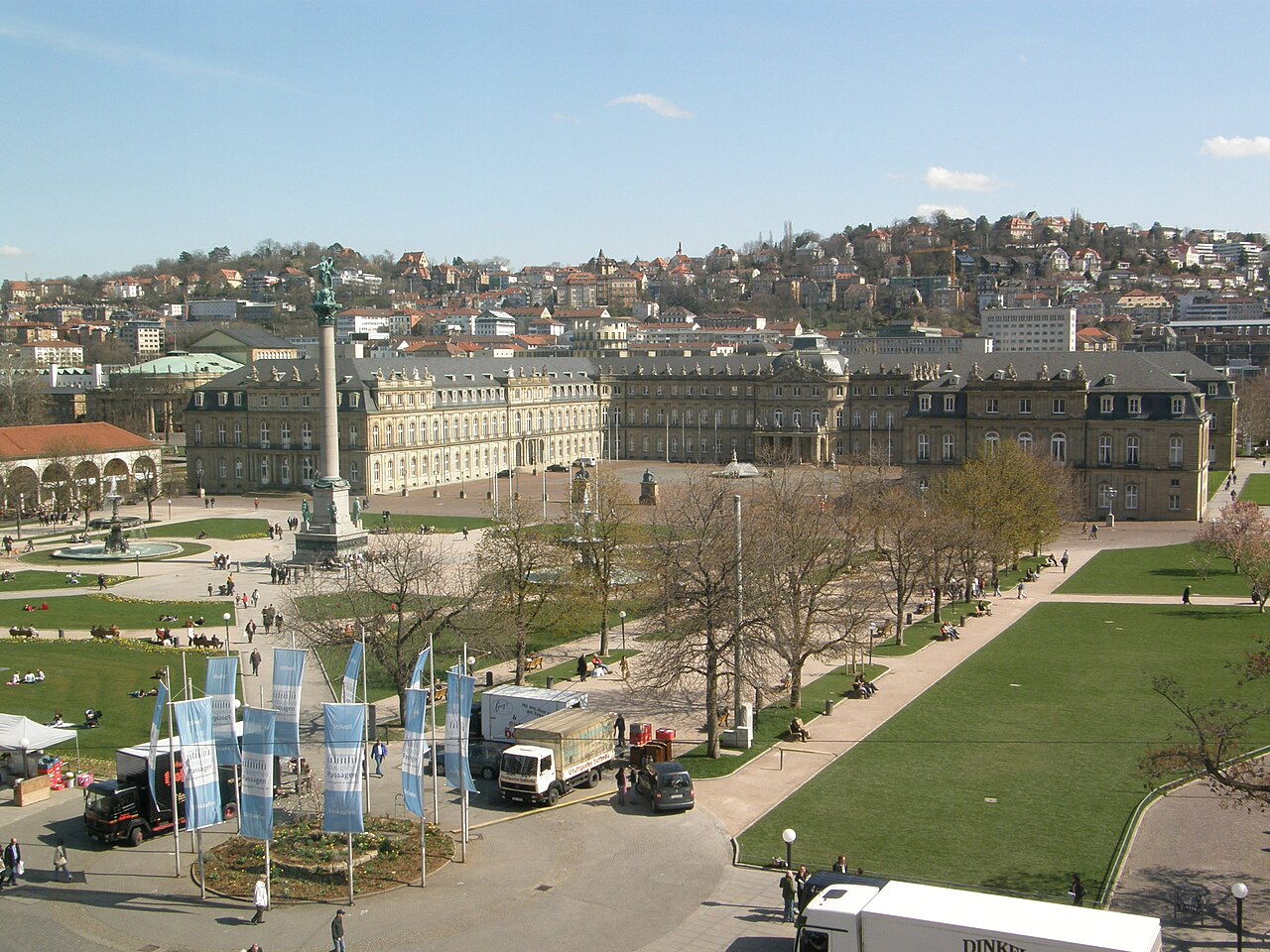
Germans call a square like this the Wohnzimmer, the living room, and Schlossplatz earns it. It is the flat, open center of a city otherwise built on slopes, framed on one side by the long Baroque facade of the Neues Schloss (New Palace), begun in 1746 and finished in 1807. In the middle stands the Jubiläumssäule, the jubilee column, topped by a figure of Concordia.
The palace is not a museum. It houses state government ministries, so you admire it from the outside. Directly across the way is the Altes Schloss (Old Palace), the Renaissance predecessor, and that one you can go into: it holds the Landesmuseum Württemberg, the regional history museum.
In warm months the lawns fill with people lying flat on the grass in a way that feels distinctly un-formal for a palace forecourt. That is the correct way to use the square. Thirty minutes covers the walk-through; an afternoon disappears easily if the weather cooperates.
The square through the year
Summer brings open-air concerts onto the square. Winter brings the Stuttgarter Weihnachtsmarkt, the Christmas market, which has been held since 1692 and is one of the oldest in Europe. More than 280 stalls spread from Schlossplatz across to Schillerplatz, selling Glühwein (hot spiced wine), Maultaschen and gingerbread. It runs from late November to December 23.
That market is the single biggest reason Americans book Stuttgart in December, and it is worth knowing that the city fills up accordingly. Book lodging early if those are your dates.
Using it as your base point
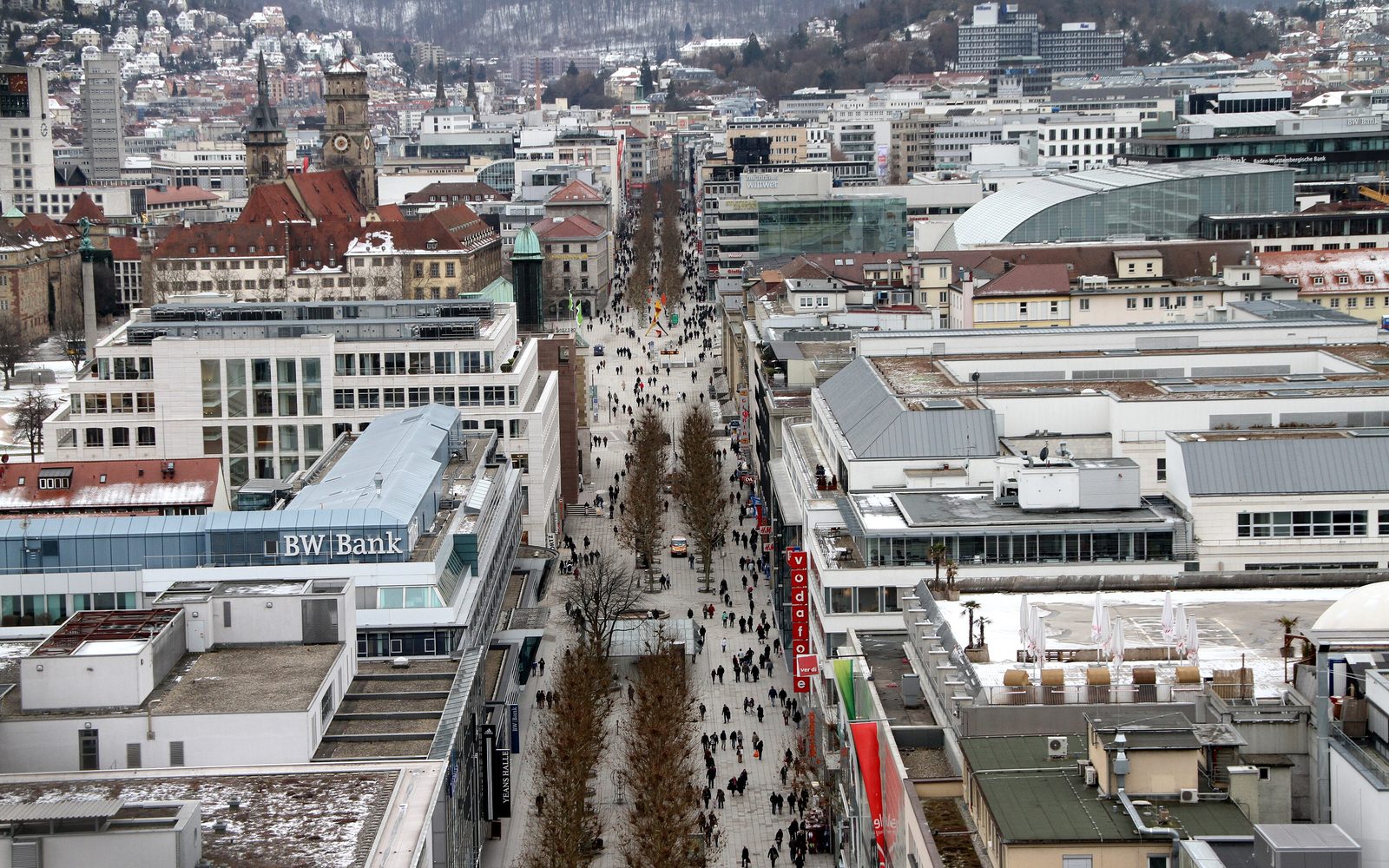
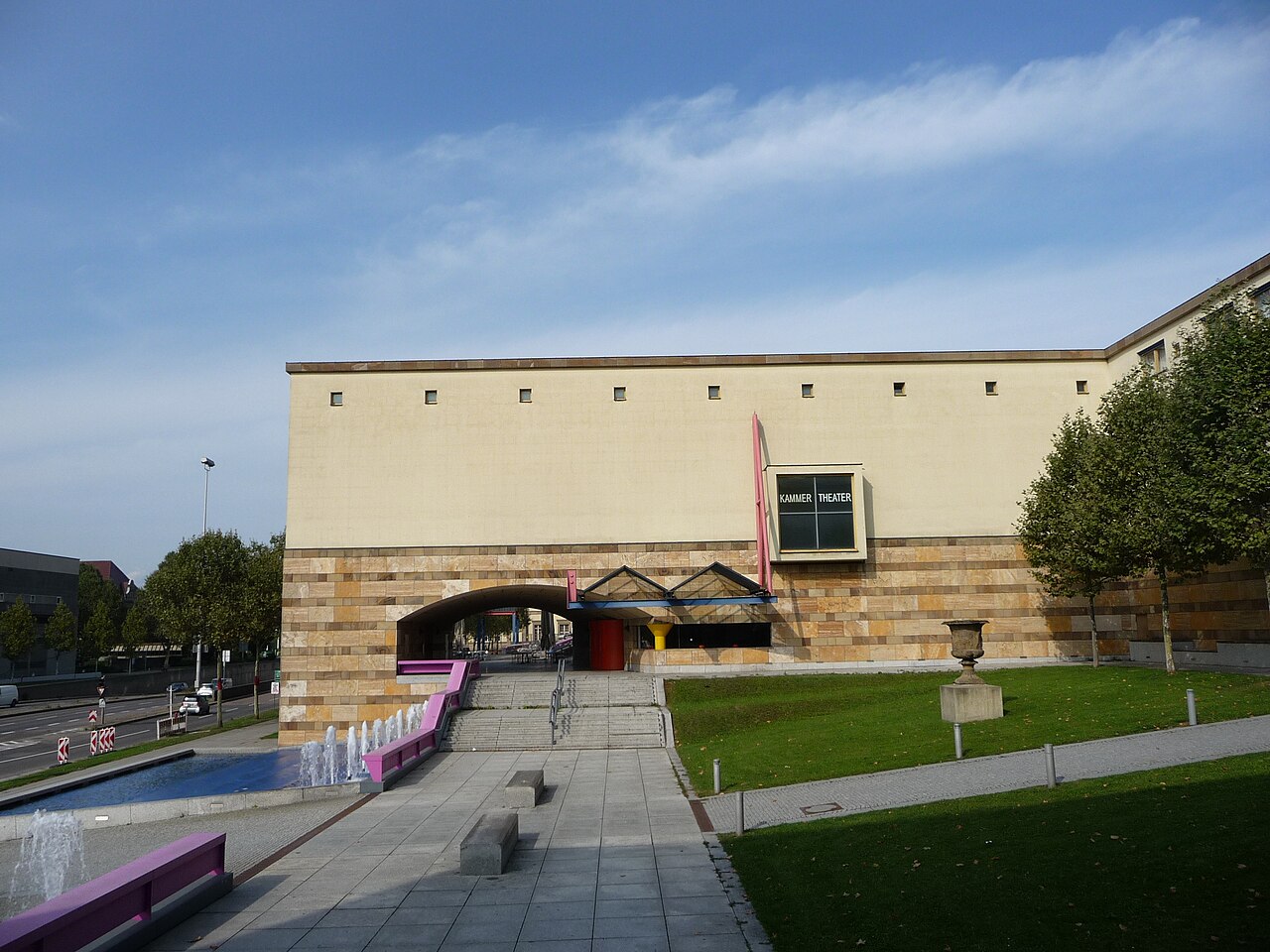
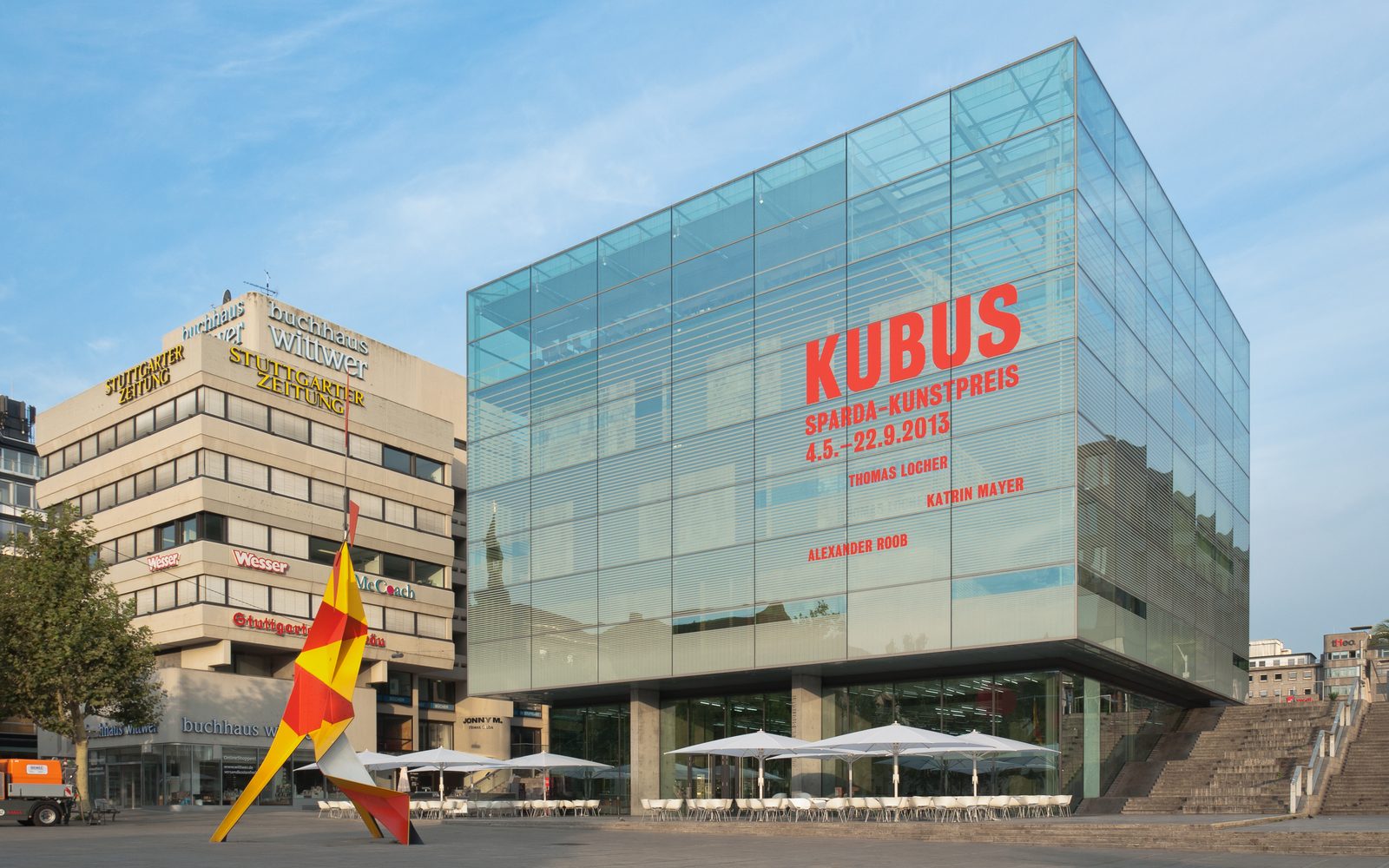
Schlossplatz is the natural hub for a first day. The main station, Stuttgart Hauptbahnhof, is a straight walk down the Königstraße (King Street) pedestrian zone, and from the square you can reach the Staatsgalerie, the Kunstmuseum's glass cube on the square's own edge and the Markthalle (Market Hall) on foot without touching public transit.
The address is simply Schlossplatz, 70173 Stuttgart. It is open ground, always accessible, no ticket, no hours.