
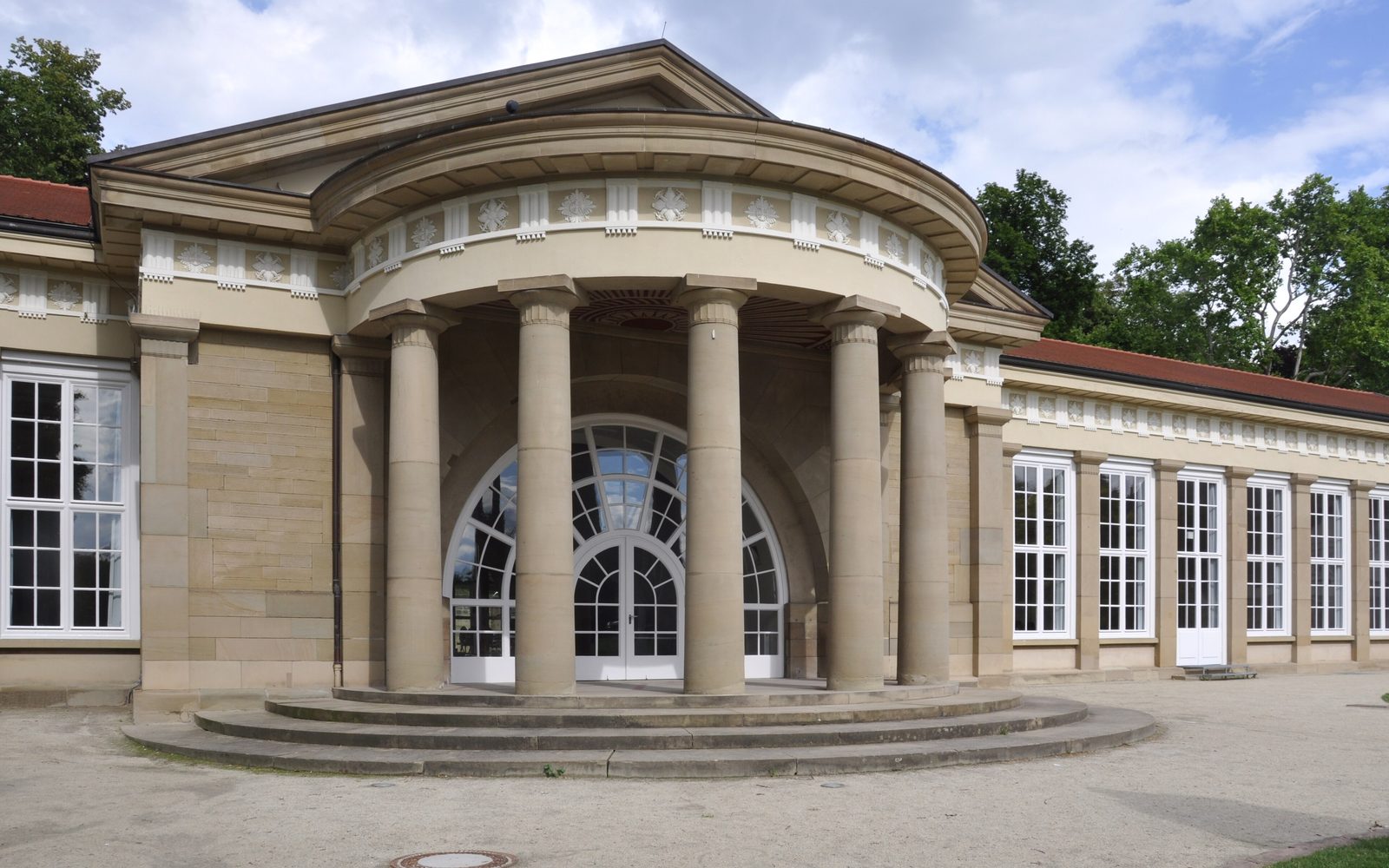
Older than Stuttgart itself, Bad Cannstatt began as a Roman settlement. Today the district pairs the largest mineral springs in Western Europe with the Cannstatter Wasen fairgrounds, the Wilhelma zoo and Rosenstein Palace.
Good base for: Families and spa-minded travelers who want the zoo, the mineral baths and a real town square within walking distance. See where to stay in Stuttgart
Where it sits in the Kessel
Bad Cannstatt is not in the Kessel at all. It lies across the Neckar river to the northeast, on flatter ground, which is why it has its own market square, its own high street and the feel of a town that was annexed rather than a neighborhood that grew out of the center. It is in fact older than Stuttgart, having started as a Roman settlement.
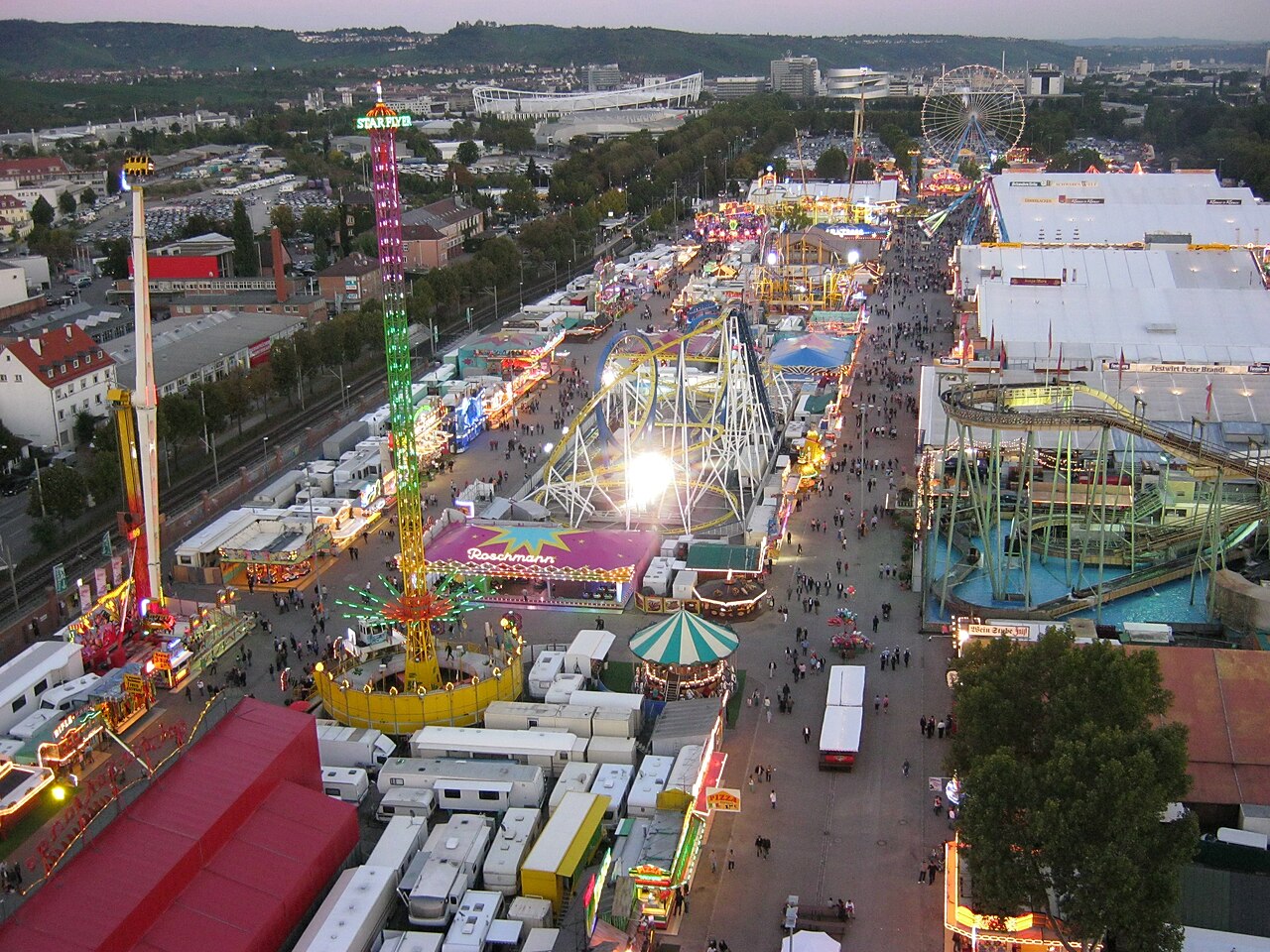
The flat riverside geography is also why the fairgrounds ended up here. The Cannstatter Wasen, the meadow that hosts Stuttgart's two big folk festivals, needs open ground the valley floor downtown simply does not have.
Getting downtown
Cannstatt has its own S-Bahn station with frequent service, and the ride to the Hauptbahnhof takes roughly five minutes. That makes it one of the fastest non-central bases in the city. Several S-Bahn and light-rail lines converge here, so you rarely wait long, and the last services on festival weekends run late.
Driving into the center takes ten to fifteen minutes outside rush hour, but downtown parking is expensive and the garages fill early, so most visitors who stay here end up leaving the car at the hotel.
What is within walking distance
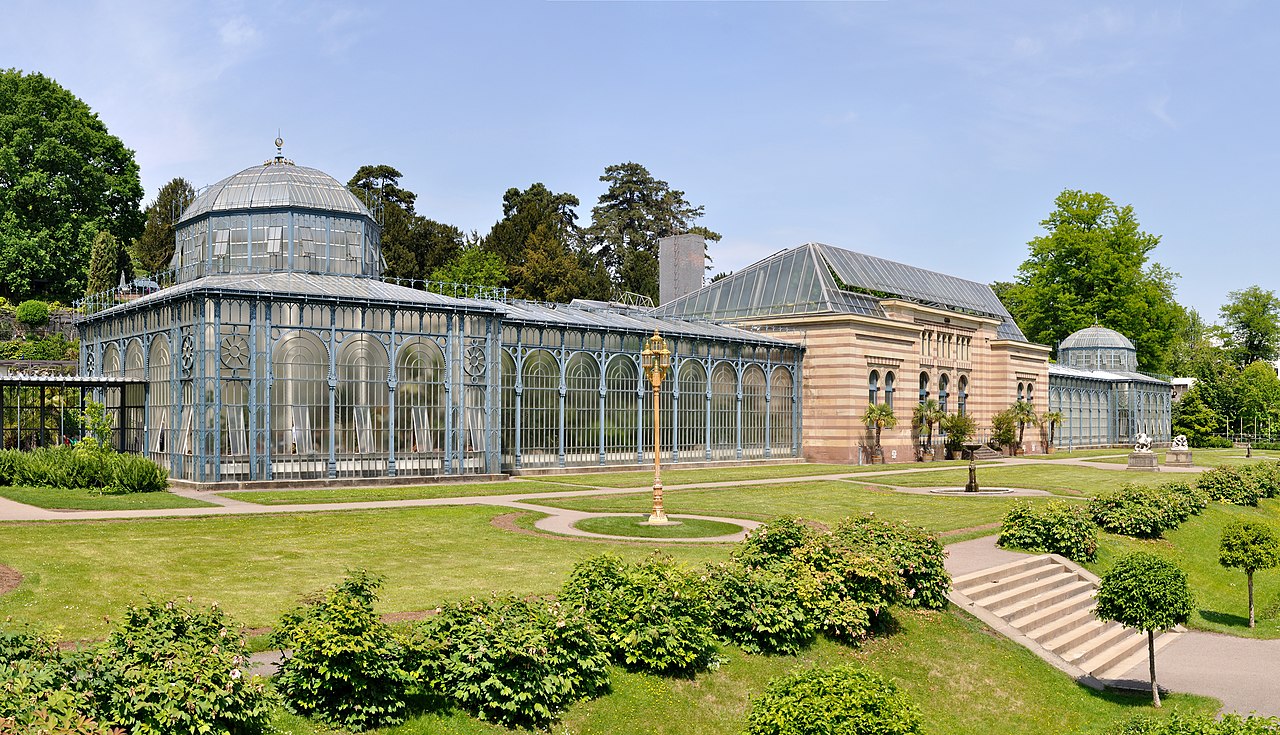
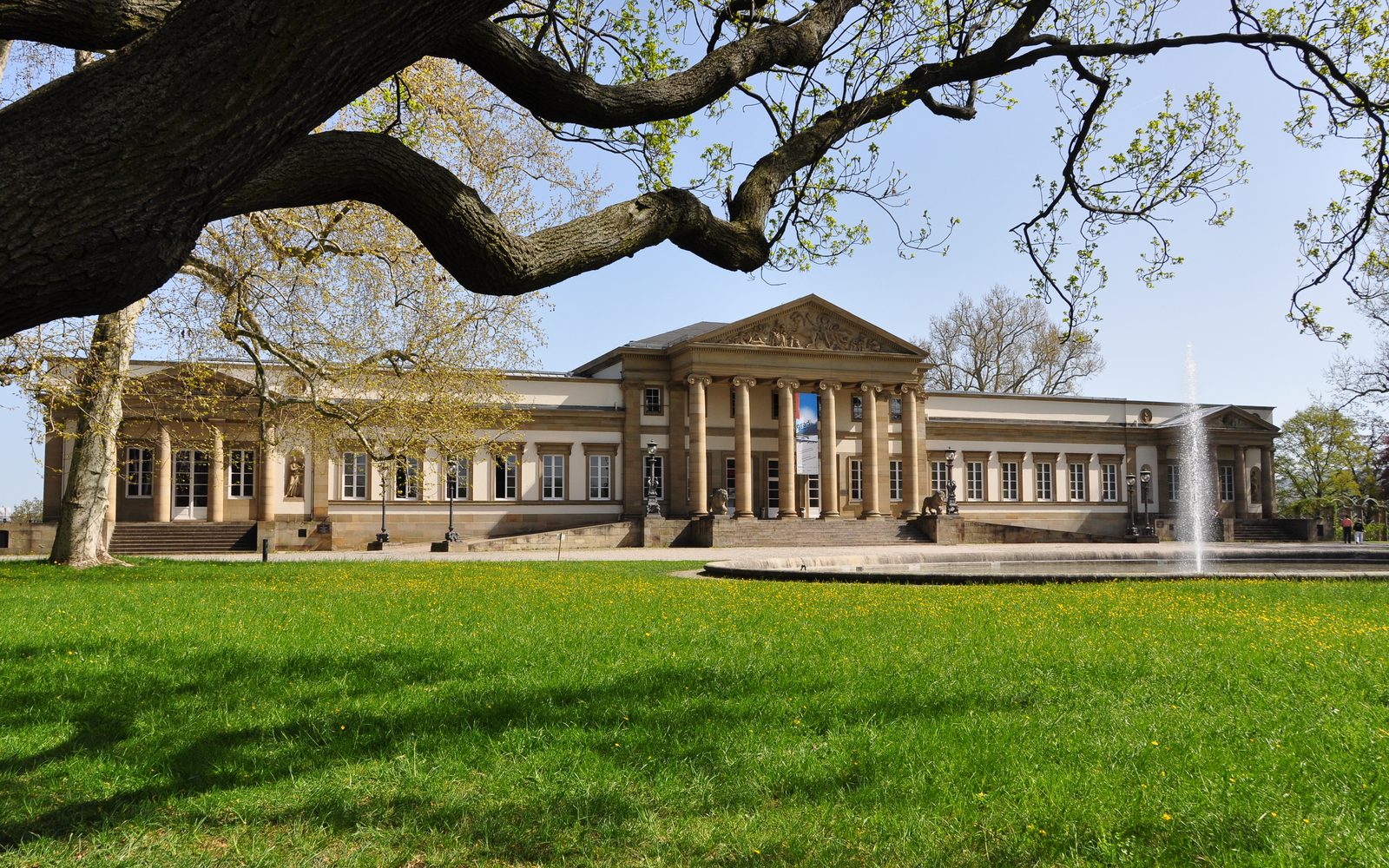
The Wilhelma, Stuttgart's zoo and botanical garden inside a Moorish-revival palace complex, sits at the edge of the district next to Rosenstein Palace and its park. The district's mineral baths draw on the springs that give Bad Cannstatt the Bad in its name, and public drinking fountains around the district let you taste the mineral water for free.
Cannstatt's own market square, the Kursaal in the spa park and a working high street mean you can eat and shop without going downtown at all, which is not true of most outer districts.
Who this district suits
Families, anyone planning a bath or spa day, and travelers in town for a fair or a concert at the NeckarPark arenas. It is also the sensible choice if you want a full-size hotel with parking and a pool at a distance from the downtown bar strip.
During the Frühlingsfest in spring and the Cannstatter Volksfest in fall, the district fills up and room rates rise sharply. Book early or stay elsewhere those weeks.
Stuttgart-Bad Cannstatt in numbers
- Postal codes
- 70191, 70372, 70374, 70376
- Population
- 70,867 (2022)
- District type
- Outer city district
- Boroughs
- 18
- City
- Stuttgart, capital of Baden-Württemberg
Several postal codes reach into this district because German postal-code zones do not follow district boundaries. The reverse is also true: some of these codes cover parts of neighboring districts as well.
Boroughs in Stuttgart-Bad Cannstatt
- Cannstatt-Mitte
- Kurpark
- Seelberg
- Espan
- Muckensturm
- Schmidener Vorstadt
- Winterhalde
- Wasen
- Veielbrunnen
- Im Geiger
- Neckarvorstadt
- Pragstraße
- Altenburg
- Hallschlag
- Birkenäcker
- Burgholzhof
- Sommerrain
- Steinhaldenfeld
See in Bad Cannstatt
The places this guide covers in the district.
Eat in Bad Cannstatt
Restaurants from this guide - no photos of their own, so listed as a register instead of tiles.
Explore the Wilhelma & Bad Cannstatt
Tickets for the Wilhelma and tours around the old Neckar core.
Affiliate note: if you book through this widget we earn a commission. The price stays the same for you.
Hotels in Stuttgart-Bad Cannstatt
Live availability for Bad Cannstatt and the surrounding area - a direct price comparison.
Prefer Trip.com? Compare Stuttgart hotels on Trip.com →
Affiliate note: bookings through the map earn us a commission - the price stays the same for you.