Stirling's building, and the argument it started
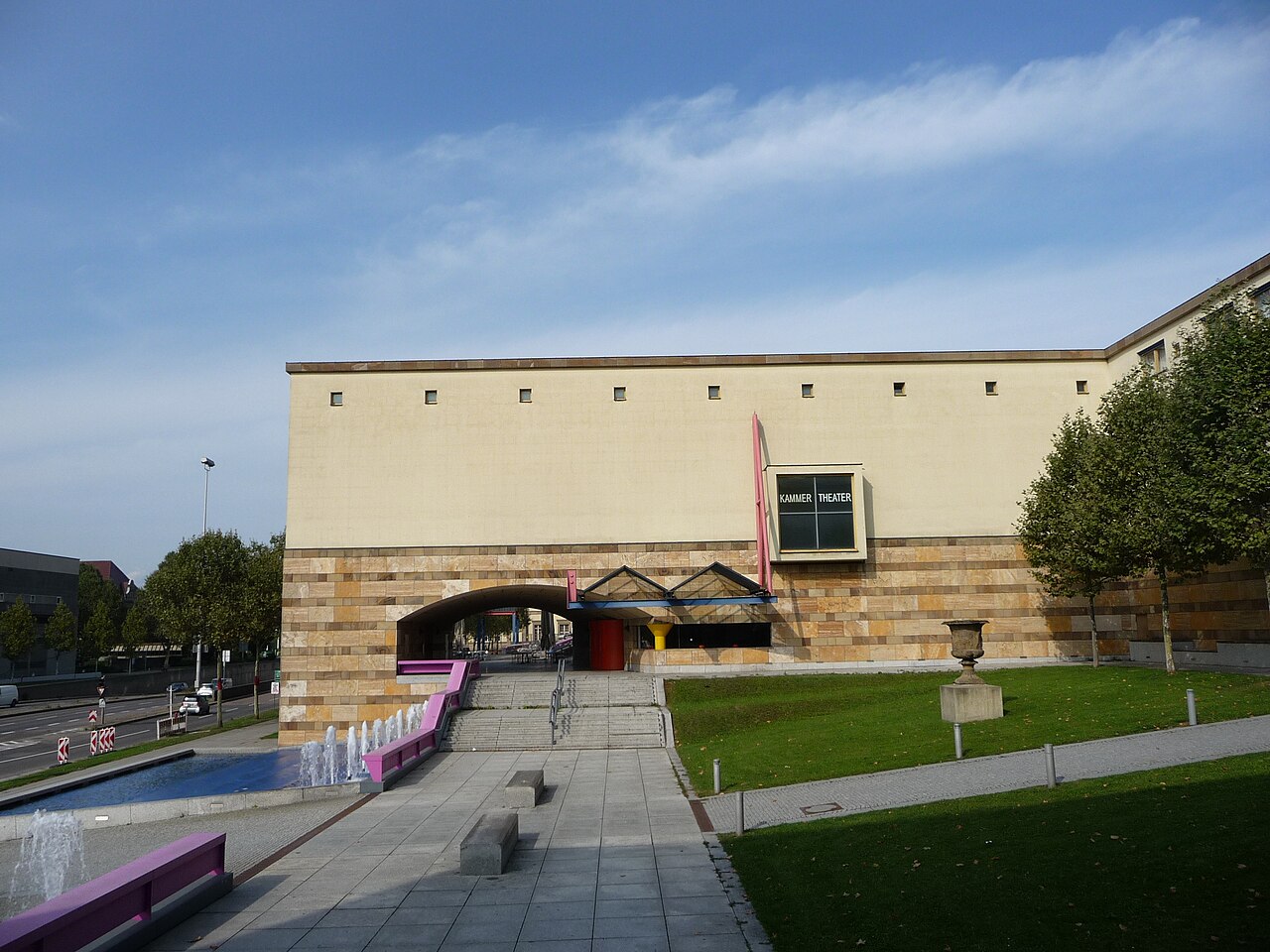
The British architect James Stirling finished the Neue Staatsgalerie, the extension wing, in 1984, and it immediately became one of the most argued-over buildings in Europe. It borrows classical moves, a stone-clad mass and a circular open courtyard at its heart, then undercuts them with bright green and pink accents and industrial detailing. Half the profession called it a betrayal of modernism and half called it the way out of modernism's dead end.
Forty years later the building has outlived that fight and is simply read as the reference point for postmodern architecture in Europe. If you have any interest in why buildings started looking playful again in the 1980s, this is the primary document.
The terraces and the outdoor route through the complex are worth walking even before you buy a ticket. Much of the interest is in how Stirling handled the approach from the street rather than in the galleries themselves.
What hangs inside
The collection is stronger than most visitors expect from a regional state gallery. Picasso is represented in depth, alongside Cézanne, Max Beckmann and Joseph Beuys, and the holdings run from old masters through to postwar and contemporary work.
Two to three hours is a realistic visit. The building itself will absorb some of that time, so do not treat the architecture and the art as separate errands.
The address is Konrad-Adenauer-Straße 30-32, 70173 Stuttgart, an easy walk from Schlossplatz and therefore from anywhere in the center. Current opening hours and ticket prices come from the museum's own site.